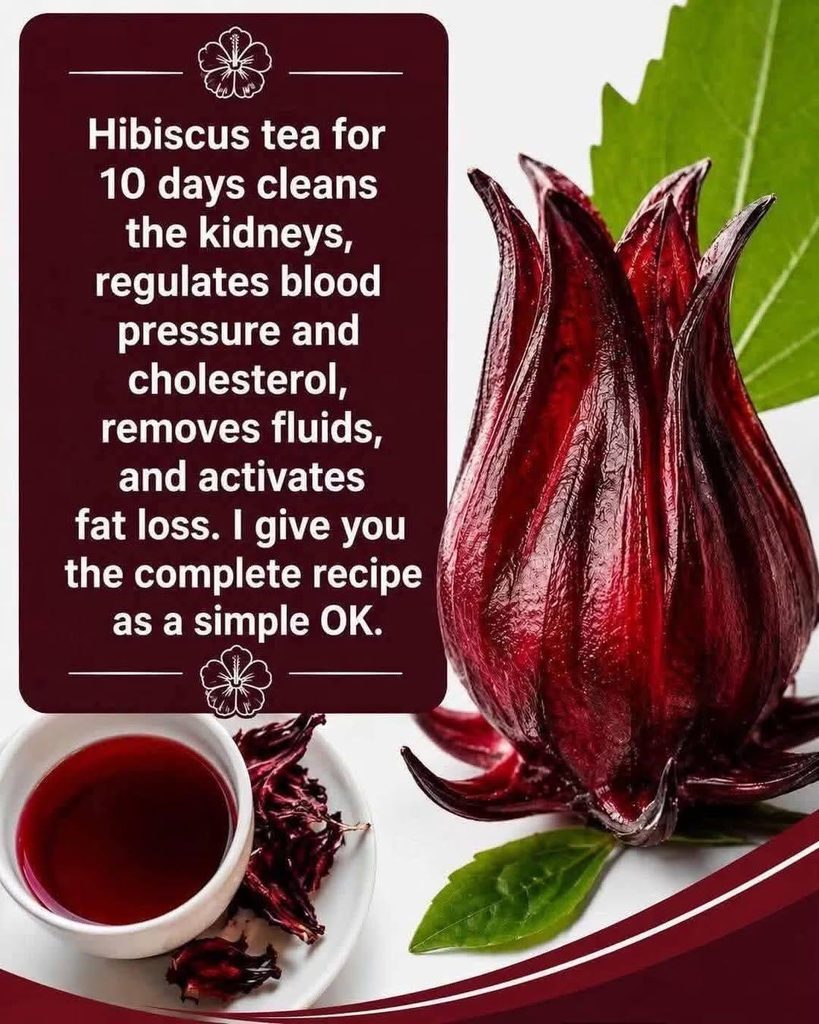
Hibiscus tea has become increasingly popular among people looking for a refreshing, naturally caffeine-free drink that can complement a healthy lifestyle. Made from the dried calyces of the hibiscus plant, this deep-red herbal tea has a pleasantly tart flavor and contains naturally occurring antioxidants and plant compounds.
Hibiscus is sometimes promoted online as a miracle remedy capable of curing cancer, diabetes, high blood pressure, poor circulation, kidney problems, and excess weight. These claims are misleading. No hibiscus tea or seed has been proven to cure cancer or diabetes, clear blocked arteries, or replace medical treatment. Nevertheless, hibiscus can be an interesting addition to a balanced diet, particularly for people interested in heart health and healthy blood pressure.
Some research suggests that hibiscus tea may have a modest blood-pressure-lowering effect in certain people. This is one reason it has attracted attention in the field of cardiovascular health. However, the effect is not equivalent to prescription blood pressure medication, and people taking medication should not stop or change their treatment simply because they begin drinking hibiscus tea.
Hibiscus also contains antioxidant compounds called anthocyanins and other polyphenols. Antioxidants help protect cells from oxidative stress, while a diet rich in plant foods can contribute to overall cardiovascular wellness. Drinking unsweetened hibiscus tea can therefore be a flavorful alternative to sugary beverages.
For people concerned about cholesterol, hibiscus is sometimes included in discussions about natural approaches to maintaining healthy lipid levels. However, drinking tea should not be considered a replacement for a heart-healthy diet, physical activity, weight management, or cholesterol medication when prescribed. Foods high in soluble fiber, vegetables, fruits, legumes, nuts, seeds, and whole grains have a much stronger role in a comprehensive approach to cardiovascular health.
